The Power of Journaling

Why Writing Things Down Is Good for Your Brain

When most people hear the word journaling, they picture keeping a diary or writing pages about their day. But journaling doesn’t have to be long, perfect, or even happen every day to make a difference. 

In fact, research suggests that taking just a few minutes to write can help reduce stress, organize your thoughts, and support your mental wellbeing. 

One reason journaling is so powerful has to do with a part of our brain called the Default Mode Network (DMN). 

The Default Mode Network is most active when our minds are at rest—not when we’re focused on a task, but when we’re replaying conversations, worrying about tomorrow, reflecting on the past, or letting our minds wander. This network serves important purposes like creativity, self-reflection, and future planning. However, when it becomes overactive, it can also contribute to rumination, worry, and feeling mentally “stuck.” 

Journaling provides an outlet for those thoughts. Instead of carrying them around in our minds, writing them down helps us organize them, make sense of them, and often see them from a new perspective. Simply putting thoughts on paper can help quiet the mental noise and create space for greater clarity. 

Journaling also takes advantage of one of our brain’s greatest strengths: neuroplasticity. 

Neuroplasticity is our brain’s ability to form new neural connections throughout our lives. Every experience, thought, and habit helps shape the pathways in our brain. The more we practice a skill or way of thinking, the stronger those pathways become. 

One of the most valuable parts of journaling isn’t simply writing about what happened—it’s taking a few moments afterward to reflect. Ask questions like: 

  • What did I learn from this?  
  • What do I need right now?  
  • What can I take away from this experience?  

These reflective questions help our brains organize experiences, assign meaning, and build stronger neural connections. Reflection transforms journaling from simply recording events into an opportunity for growth, resilience, and emotional healing. 

This reflective process is also a meaningful way to keep our brains engaged. Activities that encourage reflection, learning, and mental processing are associated with better cognitive health as we age and may help lower the risk of cognitive decline and dementia. While journaling isn’t a guarantee against memory loss, it is one simple habit that exercises the brain while also supporting emotional wellbeing. 

The benefits don’t stop there. Regular journaling may help: 

  • Reduce stress and repetitive thinking 
  • Improve emotional regulation 
  • Increase mental clarity 
  • Lower the body’s stress response 
  • Support overall wellbeing 

The good news is that there’s no “right” way to journal. You might write about your day, make a gratitude list, write a Bible verse or prayer, reflect on a meaningful quote or image, create a simple bullet journal, or spend five minutes writing whatever comes to mind. The goal isn’t to write something perfect—it’s simply to give your brain an opportunity to process and make new connections. 

For many Christians, journaling is also part of a spiritual practice and way to connect with God through written prayer, gratitude and reflection on Biblical truths. 

Tonight, take five minutes. Grab a notebook, put your phone aside, and simply write. Then pause and ask yourself: What did I learn today? What do I need? What am I grateful for? Those few minutes may not only help you feel calmer today—they may also be an investment in your long-term mental and cognitive wellbeing. 

Mental health is brain health. Just as we strengthen our muscles through movement and our hearts through exercise, we can strengthen our brains through healthy habits like reflection, meaningful connection, physical activity, quality sleep, and practices like journaling. Small, consistent choices today can support both our emotional wellbeing and our long-term brain health. 

At the YMCA, we want everyone to thrive in spirit, mind and body.

Journaling is one simple, accessible tool that can help us mentally, physically and spiritually. Contact Mel Kistner, our Healthy Minds program director at [email protected] if you want to meet 1:1 to talk or need help navigating mental health resources.

Winter Mental Well-being

Managing Seasonal Blues and Holiday Stress

Wisconsin winters bring beauty, outdoor fun, and cozy moments—but shorter days and colder temps can affect our mood and energy. Holidays can add extra stress, too. Some people may even experience Seasonal Affective Disorder (SAD), a type of seasonal depression that can impact mood, energy, motivation, sleep, and appetite.

You’re not alone—and there are simple, effective strategies to help you stay grounded, supported, and hopeful this season. This blog shares practical tips around Light, Mindset, Connection, and Rest to improve your mental health this winter.

Light: Physical, Spiritual and Emotional

During the winter, many people notice an energy drop simply because there’s less sunlight and the colder temps cause us to spend more time indoors. We also need Vitamin D to regulate serotonin levels and help our brain with emotional processing. When we decrease our level of sunlight, we can also experience a drop in Vitamin D levels so it is good to have your Vitamin D levels checked and supplement if needed.

Ways to Bring in More Light During the Winter:

  • Get outside daily, even briefly. Morning light is especially helpful. So bundle up and step outside!
  • Keep blinds open and maximize natural light in your home or workspace.
  • Try a light therapy lamp, especially if you notice seasonal mood shifts. Many local libraries have these lamps available to check out to try. When purchasing, make sure the light is at least 10,000 Lux and use it first thing in the morning for about 30 minutes for best results.
  • Look for moments of emotional brightness—a warm drink, a favorite song, a few minutes of stillness. Write down one thing that brings you joy and one thing you are thankful for each day. 
  • Remember why you celebrate specific holidays and take time to honor loved ones.
  • Pray to lighten your burdens. We were not meant to carry the weight of all our stressors on our own and Jesus wants us to lay them down and walk with Him so we can find rest. (Matthew 11:29-30)

Mindset: Changing Expectations and Thoughts

Winter and the holidays often bring pressure to “do it all”—decorate perfectly, buy the right gifts, host the gathering, stay cheerful. That pressure can be overwhelming.

Instead, try giving yourself permission for simplicity. Being fully present with people and letting them know you care is what matters most. Allow yourself to shorten your gift list, especially for kids, if it seems like too much. Communicate clearly to those around you that you need to simplify holiday traditions this year in order to have more joy. If you are grieving, give yourself grace and communicate your need to do things a bit differently this year.

Consider:

  • Choosing a few meaningful traditions and letting go of the rest.
  • Replacing perfection with being fully present in the moment.
  • Practicing gratitude in small, daily doses- this releases chemicals that boost our mood.
  • Saying “no” when your schedule or capacity is full.
  • Saying more positive words- and letting your emotions follow rather than the opposite.
  • Picking a scripture to hang up and repeat daily to focus on truth.

Connection: Intentional and Meaningful

Social isolation impacts our physical and mental health. In the winter we need to be intentional about reaching out and finding meaningful ways to connect.

The first thing is to be open with someone you trust about the stress you are experiencing during winter and/or the holiday season. Tell someone when you are overwhelmed and ask for help. This sounds simple but many people believe they just have to “get through” the holidays and don’t express their feelings.

If you have difficulty on long winter days, tell someone and make plans to meet a friend or invite them over for a warm drink. Utilize the many open spaces at our YMCA locations to play a game with a friend or chat after a class so you can increase your social time during the winter months.

Rest: Protect Sleep and Recharge

Changes in daylight can disrupt sleep cycles, and holiday stress can make it harder to wind down. Keep a journal next to your bed to write down stressors if they pop up in your mind and write 3-5 things you are thankful for before going to sleep.

Quality sleep is one of the best gifts you can give yourself.

Simple ways to protect your rest:

  • Keep a consistent sleep and wake time.
  • Set limits on evening screen time.
  • Build a simple bedtime routine: warm shower, reading, calming music, gratitude.
  • Reduce sugar and caffeine to help your body better regulate.

You never have to navigate winter or the holiday season alone. Contact Mel Kistner, our Healthy Minds program director at [email protected] if you want to meet 1:1 to talk or need help navigating mental health resources.

Want to know more about changing thoughts and false beliefs that affect your mood?

Attend our Healthy Minds workshop in January called: “New Year, New Thoughts Mindset Workshop”

When to Reach Out for Extra Help:

If your mood feels unmanageable, you’re withdrawing from others, your feelings of depression are worsening, or if daily tasks feel too heavy, please know that help is available. If you are expereincing symptoms of SAD, please get evaluated by a professional.

You can find support through:

  • Local mental health providers
  • Your primary care professional or Hospital
  • Crisis lines and text services including 988- text or call 24/7 for mental health support.
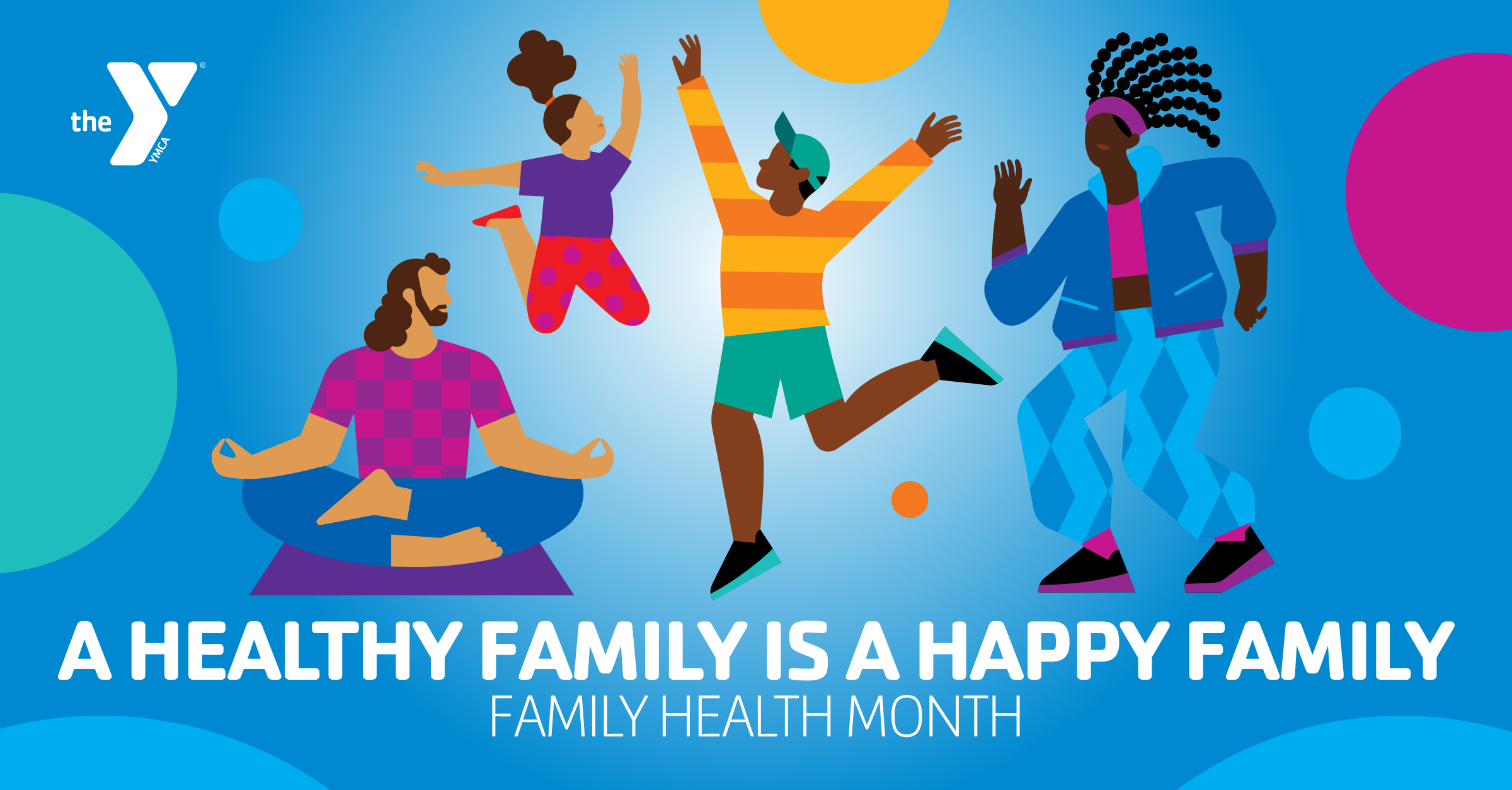
Teaming Up for Family Health

October is Family Health Month, and the Y is dedicated to supporting all families as they work to create healthier lifestyles for themselves and their loved ones. Family health and wellness is a group effort. When everyone works together, healthy habits become easier and more fun. Learn how to improve your family’s health as a team using these approaches.

Start the Day with Movement

A few minutes of morning physical activity can set a positive tone for the rest of your day. A walk around the block, family stretch session or a morning dance party are all simple examples you can easily do at home.

Make Mealtime a Family Activity

Choose one or two days to cook as a family. Assigning roles to each family member makes it a true team effort, and mealtime becomes a great opportunity to teach about nutrition and cooking skills. Sitting down to share the meal strengthens bonds and creates daily structure. Explore recipes and nutrition tips on our blog.

Practice Gratitude Together

Take a moment each week to practice gratitude as a family – whether it’s a moment on-the-go or set aside as dedicated time together. Have each family member share one thing they were grateful for that day or week. Consider creating a gratitude jar, board or journal to display these reflections. That way, you and your family can visualize their thankful thoughts. Visit this link for more ideas on how to express gratitude as a family.

Stay Active or Get Creative Together

Set aside one day each week for a fun family activity – physical or creative. Spending time as a family moving or creating supports both physical and mental wellbeing.

Here are a few ideas at the Y:

  • Check out the Nex Playground Gaming System (available only at the YMCA at Pabst Farms)
  • Play basketball in the gym
  • Enjoy a Family Swim at the YMCA at Pabst Farms
  • Volunteer with your child’s sports team

Together Time

Relationships are the heart of a healthy family. Prioritize quality time together – whether that’s catching up over dinner, playing a board game or chatting about your day while out for a family stroll. These shared moments are what keep your relationship strong.

Be sure to check out our Fall Fest and Breakfast with Santa events that encourage together time and family bonding!

Create a Shared Bedtime Routine

Establishing a shared routine or schedule before bed creates a calm environment for relaxation and sleep. Try incorporating these simple tips into your family’s nighttime regimen to promote a restful night for everyone.

By incorporating movement, mealtime togetherness, creativity, gratitude, and restful routines, your family can build healthy habits that last a lifetime.

Mental Health Resources

National Resources

988 Lifeline 24/7/365 access to counselors

  • Suicide & Crisis Lifeline for yourself or call when concerned about someone else experiencing a mental health or substance abuse crisis.
  • Call or text “9-8-8”
  • 988lifeline.org has live chat.

SAMHSA – Substance Abuse and Mental Health Services Administration

  • National hotline for Substance Abuse: 1-800-662-HELP (4357)
  • Free, confidential, 24/7, 365-day-a-year treatment referral and information service (in English and Spanish) for individuals and families facing mental and/or substance use disorders.

National Domestic Violence Hotline 24/7

911– Dial 911 for emergency mental health situations including active suicide attempt/plan, substance overdose, imminent threat to self or others, medical emergency.

Local Resources Waukesha County:

Waukesha County HHS Behavioral Health Services:

  • 1501 Airport Rd. Waukesha, WI 53188
  • Crisis line 24/7: Call 262-547-3388 for immediate assistance and mobile response services.
  • Crisis center: The Crisis Resource Center offers voluntary help for those with mental health and substance use needs, accepting admissions from 8 AM to 8 PM. To make a referral, please call (262) 896-8589.
  • Adult Inpatient Hospital: 262-548-7950. They can also help coordinate inpatient care for kids.

Rogers Behavioral Health:

  • Inpatient, partial hospitalization (PHP) and Intensive Outpatient (IOP)
  • ·Call: 1-833-308-5887
  • ·Oconomowoc 262-646-4411; Madison 608-238-4411; West Allis 414-327-3000
  • ·Visit: https://rogersbh.org/ Live chat on website

ProHealth Behavioral Health Services:

  • 262-928-4036
  • Located on the ProHealth Waukesha Memorial Hospital Campus
  • 721 American Ave., Suite 406, Waukesha, WI 53188
  • Partial Hospitalization (PHP) and Outpatient Program

Aurora Psychiatric Services:

Outpatient Services in Waukesha County:

Lifestance Health

  • Mental Health Support Services, Psychiatry, Counseling
  • Many locations including Oconomowoc, Waukesha, Brookfield, Franklin
  • Call: 262-789-1191
  • Email: [email protected] Visit: www.LifeStance.com

Gals Institute

  • Counseling, Psychiatric nurse medication management
  • 383 Williamstowne Dr., Suite 101, Delafield, WI 53018
  • Call: (262) 337-9770
  • Visit: www.galsinstitute.com

Healing Hearts

Christian Family Solutions

  • Counseling, adult IOP, Child and Teen Day treatment
  • 262-345-5560
  • Visit: christianfamilysolutions.org

NAMI – National Alliance on Mental Illness

Local Resources Jefferson & Dodge Counties:

Jefferson County Human Services:

  • 1541 Annex Rd, Jefferson, WI
  • 920-674-3105 call 24/7
  • Adult and Child stabilization services, inpatient & outpatient services

Watertown Regional Medical Center: Behavioral & Mental Health

  • 123 Hospital Dr, Suite 110, Watertown, WI
  • 920-262-4800
  • Teens 14+, Adults & Seniors, Inpatient and outpatient services.
  • https://www.watertownregional.com/services/behavioral-health

Dodge County Health and Human Services: Clearview Behavioral Health

  • 198 County Road DF, Juneau, WI
  • 920-386-3400
  • Inpatient, outpatient and long term care

Outpatient Services in Jefferson & Dodge Counties:

Family Resources Associates, Inc.

  • 1315 W Main St., Watertown, WI
  • Call: 920-261-4100
  • All ages outpatient counseling services. AODA addictions counseling

Serenity Mental Health Services

  • 818 West St., Suite 814, Watertown, WI
  • Call 920-545-4357
  • Visit: https://serenitytherapyclinic.com/
  • Outpatient therapy services & programs

Oak Tree Child & Family Services

  • 511 Madison Ave, Fort Atkinson, WI 53538
  • Call 920-541-3078
  • Visit: https://www.oaktreechildandfamily.com/
  • Outpatient individual, group, family and couples therapy
  • Art room, music therapy, parenting, psychiatry

Connect with Healthy Minds

Mel Kistner, Healthy Minds Program Director, provides 1-on-1 support and can assist you in connecting with the right resources. Contact Mel at [email protected] or 262-354-3244.

How Parents Can Help Kids with Depression and Anxiety

Signs to Watch For and Ways to Support 

Mental health challenges are increasingly common among children and teens today. Research shows that 1 in 6 U.S. teenagers have a mental health condition. As a parent, this can be heartbreaking—and overwhelming. But the good news is, depression and anxiety are treatable and your support can make a difference.  

In this blog, we’ll walk through the key signs of anxiety and depression in kids and teenagers, and practical ways you can help if your child is struggling. 

Recognizing the Signs: What to Look For 

Children don’t always have the words to express how they feel, so mental health issues often show up through behavior. Signs are things we can visibly notice like changes in behaviors, expressions of mood and differences in routine. Symptoms are what the child or teenager is experiencing inside like thoughts and emotions. They can also have physical symptoms of mental health challenges.  Our mental health is impacted by our brain health. Hormone changes, nutrition, sleep schedules, vitamin deficiencies and screen time can impact the brain’s ability to regulate mood. 

Depression and anxiety can look different in kids verses adults. For example, we may see irritability instead of sadness more in a child with depressive symptoms and inattention and stomach aches before we know about a child’s anxious thoughts.  

Here are some common signs of anxiety and depression in children and teens: 

Signs of Depression 

  • Persistent sadness, crying, or hopelessness 
  • Irritable mood (children may display irritability instead of sadness) 
  • Loss of interest in activities they once enjoyed 
  • Significant Changes in eating or sleeping habits 
  • Low energy or fatigue 
  • Difficulty concentrating 
  • Feelings of worthlessness or guilt 
  • Talking about death or suicide, even jokingly 
  • Increased restlessness 

Signs of Anxiety 

  • Excessive worry or fear about school, friends, health, or the future 
  • Avoiding situations that make them nervous (school, social events, bedtime) 
  • Physical symptoms like stomachaches, headaches, or fatigue with no clear cause 
  • Irritability or restlessness 
  • Trouble sleeping or frequent nightmares 
  • Perfectionism or extreme fear of making mistakes 
  • Possible panic attacks 
  • Difficulty concentrating 

If your child is experiencing any of these symptoms for more than a couple of weeks, it’s important to take it seriously. It’s important to have the child evaluated to rule out medical issues and get the help needed if a mental health challenge is present.

When to Get Immediate Help

If your child expresses suicidal thoughts or shows signs of self-harm, seek help immediately. Call 911, go to the nearest emergency room, or contact a crisis hotline such as: 988 Suicide & Crisis Lifeline (U.S.): Call or text 988 Your child’s safety comes first.

What Parents Can Do: Ways to Support Your Child 

Supporting a child with mental health challenges takes patience, empathy, and a proactive approach. Here are some practical steps: 

Open the Door to Conversation

Start by letting your child know you’ve noticed they’re not acting like themselves, and that you’re there to listen—without judgment. 

“I’ve noticed you seem really down lately. I just want you to know I’m here if you ever want to talk about what’s going on.” 

Keep the conversation open-ended and resist the urge to jump in with solutions right away. You might also want to suggest another trusted adult they could talk to. 

Validate Their Feelings

Avoid dismissing their worries or saying things like “you’re overreacting” or “just cheer up.” Instead, acknowledge their feelings as real and important. When anxiety and depression arise due to physical imbalances, they can’t just “stop worrying”.  When our brain is depleted, thoughts and emotions can be very difficult to control and manage.  

 “That sounds really tough.” Or “Thanks for telling me. That must be so hard to be dealing with.” 

Validation helps kids feel seen and understood—an essential step in healing. 

Offer Hope with Facts

Mental health challenges and disorders are treatable. The body and brain can be balanced and kids and teens can learn new patterns of thinking and new ways to express and cope with emotions.  

Say something like, “Anxiety is often physical too. Many people get help and can get freedom from anxiety, like the symptoms you are experiencing.” 

Or: “It sounds like you may be experiencing signs of a mental health challenge, which is treatable. Some people find that a doctor, counselor or health practitioner can help them evaluate and treat what’s going on. Let’s find ways to help you with your signs and symptoms. You are not alone.” 

Help Them Build Healthy Routines

Encourage habits that support mental health: 

  • Regular sleep and wake times 
  • Nutritious meals (eating healthy fats, proteins and produce while avoiding sugar, caffeine and processed foods.) 
  • Physical activity (30 minutes of increased heart rate can really help the brain) 
  • Limited screen time 
  • Time outdoors 
  • Relaxation practices 

Even small changes in routine can help improve mood and reduce stress. 

Be a Calm and Consistent Presence

Your child may not always express it, but knowing you’re a safe, steady presence can be incredibly comforting. Try to remain patient, especially during emotional outbursts or periods of withdrawal. When a child is having an outburst or anxious moment, help them calm physically, get food or rest. Then when the child is calm you can address any behavior concerns at that time. 

When we experience intense anxiety, we activate the fight or flight system and our ability to think logically is impaired while our body focuses on the perceived danger. Helping a child or teen name things they can see, hear and feel in the environment they are in will help them ground more in the present moment. You can also ask them to name a list of concrete things like states, superheroes, colors or a sport’s team roster. Teaching simple breathing techniques regularly will also help a child or teen in these moments be able to recall the deep breathing and calm their system more quickly.  

Understand the Role of Screen Time and Social Media

Today’s kids are growing up in a digital world, and while technology offers many benefits, too much screen time—especially on social media—can negatively impact mental health. Constant exposure to curated images, online comparison, cyberbullying, or the pressure to be “always on” can lead to increased anxiety, low self-esteem, and even depression. Excessive screen use also interferes with sleep, physical activity, and face-to-face interactions, all of which are crucial for emotional well-being.  

Screen time also impacts our dopamine levels and cortisol, making it hard for our bodies to rest and maintain a stable mood. Researchers have found “that dependence on smartphones, frequent messaging, and protracted fear about not receiving back messages, particularly before bedtime, are likely associated with mood swings, suicidal thoughts, and self-injury.”(Read more here.) 

Encourage balance by setting screen time limits, creating device-free zones (like bedrooms or family meals), and having open conversations about how online experiences make your child feel. Modeling healthy tech habits as a parent can also go a long way. 

Seek Professional Help

If your child’s symptoms persist or worsen, don’t wait to get help. A pediatrician, school counselor, or licensed therapist can offer guidance, diagnosis, and treatment options. Therapy—particularly cognitive behavioral therapy (CBT)—is highly effective for both anxiety and depression in children and teenagers. 

Anxiety and depression can often be related to a vitamin deficiency (including B12, D, Folate which are needed to produce and maintain serotonin and dopamine.), health issue including but not limited to slow thyroid, poor gut health, food allergy, shifting hormone levels or other health or genetic issues. It’s important to see a practitioner who will evaluate what may be going on and get to the root of the symptoms. There are many health issues that can impact mental health and may have similar symptoms. 

Every individual is unique and the information in this blog is meant to be a guide and not professional advice. Your child or teenager may have different signs or symptoms. Consult a professional when evaluating these symptoms.  

You Don’t Have to Have All the Answers

Supporting a child with anxiety or depression isn’t about fixing everything—it’s about showing up, staying connected, and getting help when needed. You’re not alone, and neither is your child. 

By being observant, compassionate, and proactive, you’re already doing one of the most important things: letting them know they don’t have to go through it alone.  

Over the years working as a therapist and a coach, I have seen first hand that anxiety and depression are treatable. When our bodies are balanced, we are rooted in truth and find new ways to express and manage thoughts, behaviors and emotions we can thrive. As a parent, I also have found prayer and making sure I have support is essential in supporting my family members with mental health challenges. Healing and freedom from mental health challenges come when we address the spirit, mind and body in community. 

Mel Kistner, Healthy Minds Program Director

In January, the YMCA welcomed Mel Kistner as the Healthy Minds Program Director. Mel brings 12 years of experience as a clinical counselor and is a certified Christian Life Coach and Master Mental Health Coach.

Through workshops focused on topics like stress management, parenting skills, expressive arts, and mental health education, Healthy Minds offers opportunities for learning and connection. A goal of the program is to integrate resiliency skills into all YMCA programs, ensuring they become part of the Y’s fabric. Mel Kistner, our Healthy Minds Program Director, is working to develop a strong referral network so individuals can get the support they need when facing mental health challenges. If you’re feeling overwhelmed, have questions, or just need to talk, Mel is here to listen and support you.

Take Care of Your Mental Health

May is Mental Health Awareness Month

Mental health is how we think, feel and act. At the Y, we recognize that we all have mental health, and mental health is an important part of our overall health and social-emotional well-being.

Everyone can play a role in mental health community care. In honor of Mental Health Awareness Month, the Y encourages you to identify simple ways you can care for yourself and others, such as:

  • Get regular exercise. Just 30 minutes of walking every day can boost your mood and improve your health. Small amounts of movement add up, so don’t be discouraged if you can’t do it all at once. Consider joining a group exercise class. Moving together with others not only keeps you motivated—it also helps you build connections, reduce stress, and feel supported. Exercise also supports the healthy balance of brain chemicals which is important to maintain a stable mood.
  • Eat healthy, regular meals and stay hydrated. A balanced diet and plenty of water can improve your energy and focus throughout the day. Pay attention to your intake of caffeine, sugars, processed foods and alcohol and how they affect your mood and well-being.
  • Make sleep a priority. Stick to a schedule, and make sure you’re getting enough sleep. Blue light from devices and screens can make it harder to fall asleep, so reduce blue light exposure from your phone or computer before bedtime. Sleep can be an essential part of brain function so make rest a priority.
  • Try a relaxing activity. Try a yoga or BodyBalance class at the Y to stretch, breathe, and reset. You can also build in time for other calming activities you enjoy, like reading, listening to music, spending time in nature, or engaging in low-stress or creative hobbies. Practice deep breathing daily.
  • Take time to Reflect. Reflection is a way to notice how life is impacting us and allows us to respond intentionally rather than react in ways that may be less effective. Write down your thoughts and feelings to release and reflect. Writing down a positive thought or a Bible verse to have ready when you feel stressed or experience a trigger can be helpful for many individuals.
  • Stay connected. Reach out to friends or family members who can provide emotional support and practical help. Research shows that social connections impact our health and mental well-being so be intentional about connecting with others and checking in on neighbors and friends.
  • Notice Signs and Symptoms. Fatigue, changes in regular behavior, sadness, hopelessness, low frustration tolerance, frequent negative thoughts, changes in mood, withdrawing and not feeling like yourself can be a few of the signs and symptoms an individual may have when experiencing a mental health challenge. Sometimes they are brought on by vitamin deficiencies, chemical imbalances or health issues so it’s good to get levels checked and get support when signs or symptoms occur.
  • Reach out for help when needed. Contact a trusted friend, family member, neighbor, pastor or coworker and tell them about any signs or symptoms you may be experiencing. Call 988 if you or anyone you know is facing mental health or substance abuse challenges to talk to a caring counselor. Reach out to a mental health or medical professional if you need to be evaluated.

This Mental Health Awareness Month, and all year long, the Y is here for you-offering a supportive community and resources to help you care for your whole self: spirit, mind and body. There is always hope. You are not alone.

A Resource for Reflection

Reflection is a way to slow down and notice how life is impacting us so we can respond intentionally rather than just react. When we recognize what’s going on with our spirit, body, thoughts and emotions we can release and reset. Use this guide to reflect on how you are doing spiritually, physically and emotionally this week.

The Healthy Minds Program at the Y

Through workshops focused on topics like stress management, parenting skills, expressive arts, and mental health education, Healthy Minds offers opportunities for learning and connection. A goal of the program is to integrate resiliency skills into all YMCA programs, ensuring they become part of the Y’s fabric. Mel Kistner, our Healthy Minds Program Director, is working to develop a strong referral network so individuals can get the support they need when facing mental health challenges. If you’re feeling overwhelmed, have questions, or just need to talk, Mel is here to listen and support you.

Contact her at [email protected]

New Healthy Minds Program to Support Mental Wellness

Mental well-being is just as important as physical health, yet many struggle to find the right support. That’s why we are launching Healthy Minds, a new initiative dedicated to helping individuals build resilience, develop life-readiness skills, and navigate life’s challenges with confidence.

“At the Y, we are committed to supporting the whole person—spirit, mind, and body,” said Jess Mieling, Branch Executive Director at Pabst Farms. “Mental health is essential to overall well-being, and Healthy Minds will provide valuable tools and connections to help our community thrive.”

In January, the YMCA welcomed Mel Kistner as the Healthy Minds Program Director. Kistner brings 12 years of experience as a clinical counselor and is a certified Christian Life Coach and Master Mental Health Coach “I’m excited to help educate, connect, and equip our members with the tools they need for mental and emotional well-being,” says Mel. “My goal is to shape Healthy Minds into a program that helps people better understand mental health, build meaningful connections, and create lasting positive habits.”

Through workshops focused on topics like stress management, parenting skills, expressive arts, and mental health education, Healthy Minds offers opportunities for learning and connection. A goal of the program is to integrate resiliency skills into all YMCA programs, ensuring they become part of the Y’s fabric. Mel is also working to develop a strong referral network so individuals can get the support they need when facing mental health challenges. If you’re feeling overwhelmed, have questions, or just need to talk, Mel is here to listen and support you.

We invite you to be part of this movement.

Stay tuned for upcoming Healthy Minds workshops, events, and parent trainings. To learn more, suggest topics, or seek support, contact Mel Kistner at [email protected]