![[Glacial Community YMCA LOGO SQ]](https://recliquecore.s3.amazonaws.com/imgs/ymca_logos/named_y/blue_purple.png)
![[Glacial Community YMCA LOGO FULL]](https://s3.amazonaws.com/recliquecore/imgs/ymca_logos/named/blue_purple.png)
February is Heart Health Month, which often comes with a familiar wave of headlines and reminders about what to eat, what to avoid, and what we “should” be doing differently.
For many people, that kind of messaging can feel overwhelming, especially if you’ve tried making changes before and felt like you couldn’t keep up.
The truth is, supporting heart health doesn’t require perfection. It’s built through small, repeatable choices that fit into real life.
Why Heart Health Can Feel Complicated
Heart health advice often focuses on restriction: less salt, less fat, fewer indulgences. While those messages usually mean well, they can miss something important, people are more likely to stick with habits that feel supportive, not punishing.
Heart health is influenced by many factors: nutrition, movement, sleep, stress, and social connection. Food plays a role, but it doesn’t need to feel rigid or all-or-nothing.
What Actually Supports Heart Health
Rather than focusing on cutting foods out, it can be more helpful to think about what to add in.
A few nutrition patterns that consistently support heart health include:
- Regular meals that help stabilize energy and prevent extreme hunger
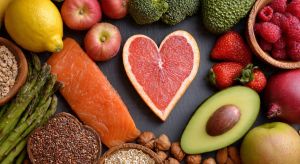
- Fiber-rich foods such as fruits, vegetables, beans, and whole grains
- Healthy fats from foods like olive oil, nuts, seeds, and fatty fish
- Adequate protein to support muscle, strength, and overall metabolism
None of these require a special diet. They can be woven into meals you already enjoy.
A Note About Sodium and Balance
Sodium often gets a lot of attention during Heart Health Month. For some people, especially those with specific medical conditions, sodium awareness is important. For many others, the bigger picture matters more.
Eating mostly home-prepared meals, including plenty of whole foods, and enjoying restaurant or convenience foods in moderate portions can all coexist within a heart-supportive pattern.
Small Changes That Add Up
If you’re looking for a place to start, consider choosing one small shift:
- Add a vegetable or fruit to a meal you already eat regularly
- Swap in extra virgin olive oil for cooking once or twice a week
- Include fish or beans a bit more often
- Focus on eating regularly rather than skipping meals
These changes don’t need to happen all at once. One or two are enough.
A Heart-Supportive Way Forward
Heart health isn’t about being perfect; it’s about consistency, flexibility, and care over time.
This February, instead of asking how to do everything “right,” you might ask: What feels supportive and realistic for me right now?
That question alone is a meaningful step toward a healthier heart.
Ready to take your nutrition to the next level?
A Simple, Heart-Supportive Meal Idea
If you’re looking for an easy way to put heart-supportive nutrition into practice, this simple grain bowl is a great place to start. It’s flexible, quick, and works for lunch or dinner. These portions are meant as a starting point. Feel free to adjust based on appetite, preferences, and how your body feels
Simple Salmon & Grain Bowl
- 3-4 oz cooked salmon (fresh, frozen, or canned all work)
- ½ cup cooked quinoa, brown rice, or farro
- 1 cup roasted or sautéed vegetables (such as broccoli, peppers, or zucchini)
- A drizzle of olive oil and a squeeze of lemon
No salmon on hand? Beans, lentils, rotisserie chicken, or tofu work just as well. The goal is to build a meal that feels nourishing and satisfying, not complicated. Making a meal like this once or twice a week can be a meaningful way to support your heart while keeping meal prep simple and realistic.

About Sara Dow
Sara Dow is an ACE-certified Personal Trainer, Weight Management Specialist, and Fitness Nutrition Specialist. She holds a Bachelor of Science in Nutrition and Dietetics from Kansas State University and is currently pursuing her master’s degree in Human Nutrition through the University of Alabama. Sara is passionate about helping people improve their quality of life through the power of nutrition, exercise, and community.
Want to level up your nutrition? Register for a One-On-One Performance Nutrition Workshop with Sara. In this 60-minute session, Sara will provide evidence-based guidelines for pre- and post-workout nutrition specific to your goals, healthy recipes, and practical tips for incorporating real foods into your diet to support optimal performance and recovery. Click here to register today!